Insights & Practical Guidance
Expert perspectives for agencies, contractors, and community-focused organizations.
Our insights reflect hands-on experience in administrative support, claims assistance, call center operations, and project coordination for public and private projects.
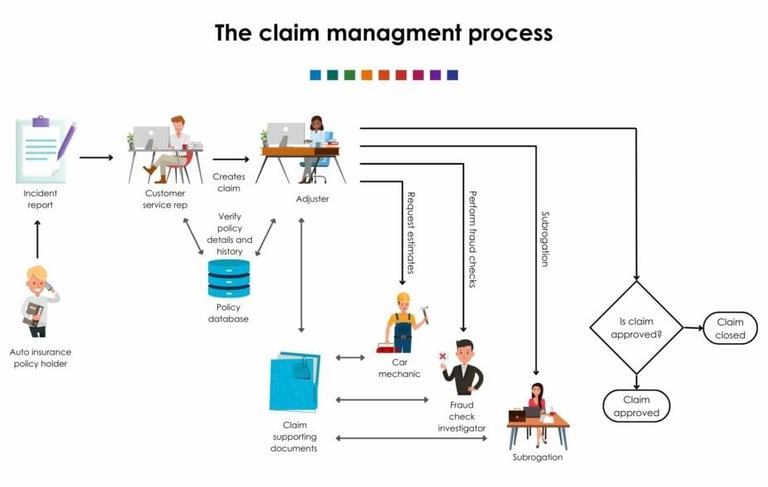
Improving Claims Management With Clear Processes and Responsive Support
Executive Summary
Effective claims management requires accurate documentation, timely communication, and a structured workflow that guides each claim from intake through resolution. When these elements are inconsistent or under-resourced, delays increase, claimants experience confusion, and administrative burden rises. This paper outlines the key process components of efficient claims management and explains how disciplined administrative support improves claim outcomes and operational efficiency.
1. The Importance of Structure in Claims Management
Claims workflows are inherently detailed and time-sensitive. Each step—intake, documentation, verification, communication, and follow-up—relies on clear processes and consistent oversight. Without structure, even straightforward claims can experience delays or errors.
Essential elements of a claims workflow include:
Standardized intake procedures
Centralized documentation and recordkeeping
Prompt communication with all stakeholders
Defined follow-up intervals
Accurate and timely reporting
When these components break down, claims become more resource-intensive, slower to resolve, and harder to audit.
2. Common Challenges That Slow Claim Resolution
Most delays in claims processing are process-related rather than technical in nature. Recurring challenges include:
2.1 Missing or Incomplete Documentation
Claims cannot progress without required forms, medical records, incident reports, or verification documents.
2.2 Delayed Communication
Slow follow-up with claimants, providers, contractors, or internal teams extends resolution timelines.
2.3 Manual Tracking and Inconsistent Workflow Management
Without structured tracking, claims may be overlooked, misfiled, or re-routed multiple times.
2.4 High Volume Periods
During peak seasons, internal capacity may not match demand, increasing backlogs and communication delays.
2.5 Lack of Clear Ownership
When no one is clearly responsible for monitoring a claim’s status, accountability suffers.
3. The Role of Responsive Administrative Support in Claims Management
Administrative support improves both consistency and speed by reinforcing the operational mechanisms that guide claim progression.
Key contributions include:
3.1 Efficient Intake Management
Ensuring that claims are promptly received, categorized, logged, and routed to the correct team members reduces early-stage delays.
3.2 Documentation Verification and Organization
Proactive collection, review, and organization of required documents prevent claims from stalling due to missing information.
3.3 Timely Stakeholder Communication
Coordinated communication ensures that claimants, providers, and internal teams remain informed and aligned at each stage.
3.4 Structured Follow-Up Process
Tracking outstanding items and conducting periodic check-ins keeps claims moving forward and reduces administrative backlog.
3.5 Accurate Reporting
Regular reporting provides visibility into claim status, bottlenecks, and trends that may require leadership attention.
4. Process Improvements That Enhance Claims Outcomes
Streamlined claims administration is built on clear processes that reduce ambiguity and increase predictability.
Effective enhancements include:
4.1 Standardized Workflow Documentation
Documenting each stage of the claims lifecycle ensures consistent processing and reduces reliance on institutional memory.
4.2 Defined Communication Protocols
Set expectations for response times, escalation pathways, and stakeholder notifications.
4.3 Centralized Information Systems
Using a single source of truth for claim data minimizes redundancy and ensures accuracy.
4.4 Performance Tracking and Metrics
Monitoring turnaround times and communication responsiveness helps identify areas for improvement.
4.5 Administrative Surge Capacity
Additional support during peak periods prevents backlogs and protects service levels.
5. When Additional Claims Support Is Most Valuable
Organizations benefit from supplemental claims administration during:
Seasonal increases in claim volume
Staff turnover or temporary vacancies
Implementation of new claims systems or processes
Compliance or audit preparation
Large-scale events affecting claim volume
High-demand periods across departments
These situations amplify the need for responsive, structured administrative support.
6. Conclusion
Claims management relies on workflow discipline, documentation accuracy, and consistent communication. When these elements are supported by clear processes and responsive administrative capacity, claims progress more efficiently and with fewer errors. Structured support enhances stakeholder confidence, reduces operational burden, and contributes to more predictable claim outcomes.
The news articles are always insightful and keep me updated on the latest trends and events.


★★★★★
(312) 220-9200
© 2025. All rights reserved.
141 W. Jackson Blvd. | Suite 1502 | Chicago, IL | 60604